When the Bite Point Goes Missing: A Mini Clutch Diagnosis Plan

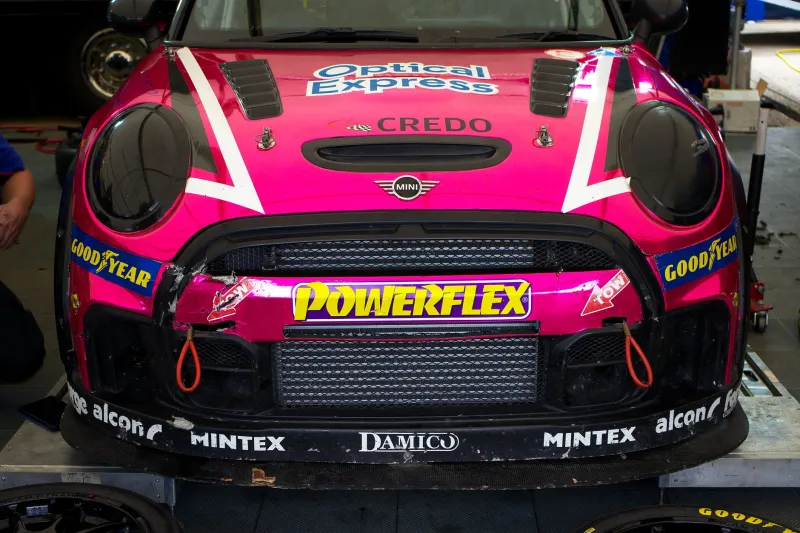
Photo: Damian B Oh, CC BY-SA 4.0, via Wikimedia Commons
A Mini clutch seldom gives up with a single dramatic bang. More often it counts down: a bite point that creeps higher, a squeak on the school run, a judder pulling away from a roundabout. By the time the pedal feels properly wrong, you have usually been driving through the warning phase for weeks.
That is why the smart approach is not to order a clutch kit the moment something feels odd. It is to read the symptoms, check the bits around the clutch, and then decide what actually needs replacing. Here is a hands-on plan for R50, R53 and R56 owners who would rather diagnose once than pay twice.
Start With the Pedal, Not the Parts List
The clutch pedal is your first diagnostic tool. A bite point that has risen steadily towards the top of the travel usually points to friction plate wear. A pedal that sinks to the floor, feels spongy, or needs pumping suggests hydraulic trouble — air, a failing slave cylinder, a leaking master cylinder or pipework. Those are different jobs, and mixing them up is how people end up with a new clutch and the same bad pedal.
Also pay attention to feel. A pedal that pulses or vibrates can hint at a warped flywheel, a tired release bearing or worn mounts. A heavy pedal may be a pressure plate issue, but do not ignore the simple stuff: check the pedal box, the fluid level and any signs of leakage around the master and slave cylinders. On older Minis, a small leak can hide behind trim or under the bonnet until the pedal starts behaving badly.
The Noise Map: Squeaks, Rattles and Grumbles
Noises are useful, but only if you note when they happen. A squeal or whine that appears when you press the clutch and disappears when you release it often points towards the release bearing. A rattle at idle that quietens when the clutch is pressed can be more complicated — dual-mass flywheel wear, gearbox input shaft noise or even a tired engine mount can all muddy the picture. Do not condemn a gearbox on a noise alone.
Chatter or judder as you pull away can come from clutch contamination, a glazed friction plate, a warped flywheel or worn engine and gearbox mounts. A scraping sound with the pedal down deserves prompt attention. So does a vibration through the pedal or floor that was not there before. Record when each noise appears: cold start, hot traffic, hill starts, reversing, or only when the pedal is half pressed. That pattern is worth more than a guess.
Symptoms That Earn a Proper Clutch Inspection
The classic clutch wear symptom is slip: the engine revs rise but the car does not pick up speed, especially uphill or when accelerating in a higher gear. A burning smell after a hill start is another clue, though it can also mean the driver has been riding the clutch. Difficulty selecting gears, especially first and reverse, can point to clutch drag — but it can also be hydraulic, linkage or gearbox oil related.
Juddering away from junctions, a bite point that changes with temperature, or a pedal that feels inconsistent are all reasons to inspect rather than ignore. On a Mini used mainly for short UK trips, these symptoms can appear at relatively low mileage because the clutch has done far more work than the odometer suggests.
Why UK Traffic Is Hard on Clutches
Stop-start traffic, multi-storey car parks, tight junctions and hill starts are a clutch's daily workout. Every slow-speed manoeuvre asks the friction plate to slip deliberately, and every hill start adds heat. A car that spends its life on a motorway may rack up big mileage with modest clutch wear; a Mini that does the school run, supermarket run and a few steep hill starts can wear its clutch far sooner.
Riding the clutch in queues, holding the car on the clutch rather than the handbrake, and creeping forward a metre at a time all add heat cycles. That heat affects the flywheel surface, the pressure plate and the release bearing. It also makes cheap parts an expensive gamble. A budget clutch kit that cannot cope with repeated heat cycles may feel fine for a few thousand miles and then return with judder or noise.
Inspect Before You Buy
Before ordering anything, confirm the actual fault. Check clutch fluid level and condition, and look for leaks at the master cylinder, slave cylinder and pipework. Inspect engine and gearbox mounts, because a worn mount can mimic clutch judder. Check the condition of the gearbox oil if the gearbox is being worked on, and look for oil contamination around the bellhousing area — a rear main seal or gearbox input seal leak can ruin a new friction plate.
On dismantling, the flywheel needs measuring, not just eyeballing. Some Minis use dual-mass flywheels and some use solid ones depending on engine and gearbox, so confirm by VIN and part number rather than assumption. Check the release bearing, release fork, pivot and guide tube where fitted. Replace the small consumables — bolts, clips, seals and fluid — because reusing tired hardware is false economy. Confirm every part number against your Mini's build details before checkout; R50, R53 and R56 fitment traps are real.
The Decision Path: Kit, Flywheel or Hydraulics
If the pedal sinks or feels spongy but the clutch does not slip, sort the hydraulics first. Replacing a clutch to fix a failed slave cylinder is an expensive way to learn that lesson. If the clutch slips, judders or the release bearing is noisy and the hydraulics are healthy, a clutch kit is the likely answer. If the flywheel is worn beyond specification or shows heat cracking and blueing, budget for a flywheel as well.
If gear selection is poor, check hydraulic operation and gearbox oil before condemning the clutch. If the gearbox has to come out anyway, inspect the seals and consider the parts that are cheap now and expensive later. The sensible shopping list is a quality clutch kit, release bearing, flywheel if measured as worn, hydraulic components if suspect, fresh fluid, seals, bolts and gearbox oil where applicable.
Shortcuts That Come Back
Fitting only a friction plate and reusing the release bearing or pressure plate is a classic false saving. So is skipping flywheel measurement, reusing stretch bolts, ignoring a leaking seal, or buying the cheapest slave cylinder on the internet. These shortcuts often survive the first hundred miles and fail just after the warranty conversation gets awkward. A clutch job is labour-heavy; doing it twice because of a cheap component is the most expensive route of all.
The Countdown You Can Hear
Treat the clutch as a wear item with a voice. Note the bite point, listen for changes, check the hydraulics and inspect properly before buying parts. If the pedal is sinking, fix the hydraulic side first. If it is slipping or juddering, plan a clutch kit and measure the flywheel. Buy parts that match your Mini's build, not just its badge. Do that and the clutch countdown becomes a manageable warning rather than a roadside surprise.