The Used Mini Parts Audit: Where to Save and Where to Walk Away

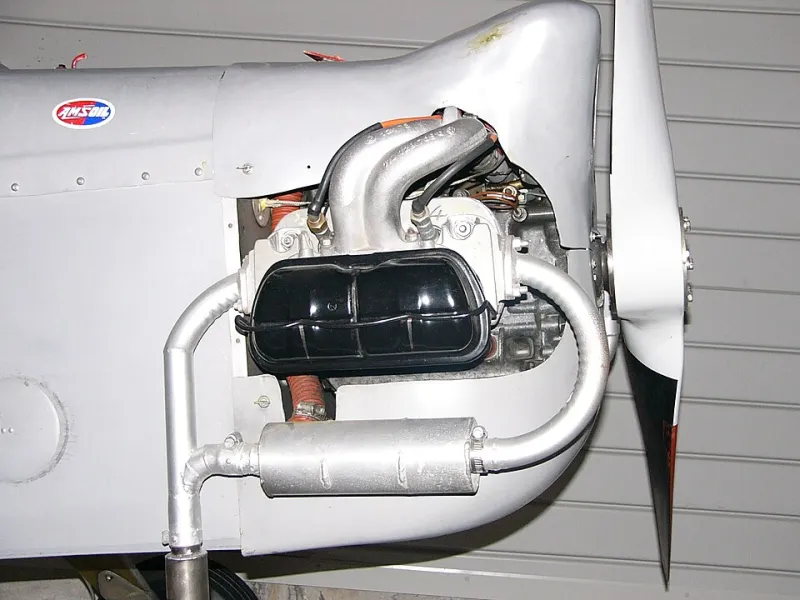
Photo: N Chadwick , CC BY-SA 2.0, via Wikimedia Commons
There is a certain romance to a breaker yard. Rows of tired Minis, a pocketful of cash and the promise of a genuine part for a fraction of new. Sometimes that promise holds up beautifully. Other times you drive home with a bargain that fights you at every stage of fitting, then fails a fortnight later. The difference is rarely luck — it is knowing which used Mini parts are sensible, which need a hard inspection, and which are simply not worth the gamble.
This is especially true across the R50, R53 and R56 generations. Some parts interchange neatly, some look identical but are not, and some are coded, safety-critical or worn in ways you cannot see in a listing photo. So here is a practical audit for UK owners buying from breakers, eBay and owners’ groups.
Start with the safe bets
Cosmetic body panels and trim are where used parts make the most sense. A rust-free door, wing, bonnet or boot lid for an R50 or R53 can save real money, provided the panel is straight, the mounting points are clean and the colour matches closely enough for your expectations. Check the usual Mini rot spots around arches, seams and lower edges rather than trusting a quick coat of polish. For R56 cars, be fussy about pre-facelift and facelift differences, and always compare part numbers where possible.
Interior trim is another low-risk area. Door cards, kick panels, centre consoles, boot trim, grab handles and speaker grilles are generally safe if the clips and fixing points are intact. Broken clips are annoying but not dangerous. Just remember that interiors fade, scratch and rattle, so a photo in bright sunlight can flatter a tired part.
Badges, grilles, exterior trim strips and some light housings can also be fair buys. These are the bits where a used part is often the difference between a tidy car and an expensive new-parts bill. Buy on condition, not rarity, and avoid anything with repaired mounts or melted plastic.
Inspect-first: the bits that look cheap until fitted
Sensors are the classic used-part grey area. A mass airflow sensor, lambda sensor, ABS sensor or crankshaft sensor from a running car might be fine, but you are buying a wear item with an unknown history. Unless the seller can confirm it was tested, offer a return window and give you the part number, treat it as a punt. The same goes for ignition coils. A used coil pack can fail hot, fail cold or fail just often enough to waste your weekend. For R50, R53 and R56 Minis, a known-brand new coil is usually the smarter spend.
Alternators, starter motors and throttle bodies fall into the inspect-first bracket. They can be good value from a reputable breaker, but you want evidence: mileage of the donor, a test report, clean connectors and no signs of water ingress. On an R56, anything electronic and coded deserves extra caution. ECUs, body control modules and instrument clusters are not simple plug-and-play parts, and security systems can turn a cheap module into a costly coding exercise.
Wheels are worth considering, but only after a proper look. Check for buckles, cracks, kerb damage and previous repairs. A cheap set of Mini alloys can become expensive if one is oval. Suspension arms and mounts can also be serviceable used, but bushes and bearings age quietly, so price the refresh into the deal.
The false economies and no-go zones
Brake discs, pads, hoses and safety-critical hardware are not worth buying used. You cannot judge friction material or internal condition from a photo, and the savings are small compared with the consequences. The same applies to airbags, seatbelt pretensioners, steering components and anything structural. If a part is designed to save you in a crash, buy new or buy from a specialist who can prove its history.
Keys, locks and immobilisers are another area to leave alone unless you know exactly what you are doing. A used key and lock set might seem like a cheap fix for a worn ignition barrel, but security and coding issues can quickly spiral. Avoid used catalytic converters unless provenance is crystal clear, and be wary of any part that looks freshly cut from a car with no explanation.
Used tyres are a false economy for most owners. Even with legal tread, age, repairs and hidden sidewall damage matter. For a roadgoing Mini, new rubber is money well spent.
The seller question checklist
Before you pay, ask for the donor car’s generation, year, model and VIN if possible. Request the part number from the label or casting, not just a photo of the fitted item. Ask whether it was tested on the car or bench-tested, and how it is being sold — spares or repairs, or known working. Confirm the return policy in writing. For body panels, ask for photos of the reverse side, mounting holes and known rust areas. For electrical parts, ask for connector photos and whether any pins are bent or corroded.
On eBay and owners’ groups, check feedback and previous sales. A breaker with a yard and a landline is different from a seller with three photos and no history. If collection is possible, inspect in person. If postage is the only option, pay in a way that gives you protection and keep the messages.
Red flags to walk away from
Be cautious when a listing says ‘fits all Minis’ with no part number. R50, R53 and R56 parts often look similar but do not swap freely, and Cooper S models can differ from One and Cooper variants. Walk away from sellers who cannot name the donor car, refuse close-up photos or pressure you to pay friends-and-family. Freshly painted panels with no explanation, looms with cut plugs, missing brackets and heavy corrosion are all warnings. So is a price that is far below the market — there is usually a reason.
The used-parts game is not about being fearless. It is about being selective. Buy the simple, inspectable bits with confidence, test the risky ones, and pay new prices for anything that stops, steers or protects you. Do that, and the breaker yard remains a genuine ally rather than a source of regret.