The Brake Buyers’ Checklist: Matching Mini Discs, Pads and Lines to Real UK Driving
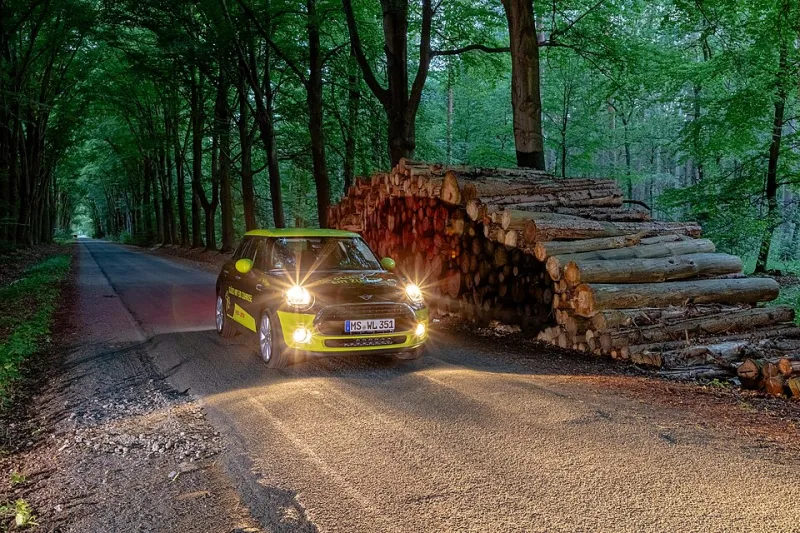
Photo: Michael Sheehan, CC BY 2.0, via Wikimedia Commons
Brakes tend to get attention in two ways: a warning light comes on, or something starts making a noise you can’t ignore. Between those moments, most Mini owners just keep driving. That’s fair enough — until the MOT tester gives you a look, or a judder through the pedal turns a quick A-road trip into a drum solo.
The tricky bit isn’t knowing that brakes matter. It’s buying the right parts without overspending or underspeccing. R50, R53 and R56 Minis all have their own habits, and the UK’s salted, potholed, stop-start roads put their own spin on wear. Here’s a practical buying checklist that starts with what your car is telling you, not what’s cheapest on the screen.
Start with the symptom, not the catalogue
A brake fault is rarely just “needs pads”. Work out what the car is actually doing before you order anything.
- Judder through the wheel or pedal: often pad deposits or disc thickness variation, not necessarily a warped disc. Cheap pads can make this worse.
- Squeal or grinding: worn pads, glazed pads, or a stuck caliper piston. Grinding means stop driving and inspect properly.
- Long or spongy pedal: air in the system, old fluid, or a failing hose. Don’t mask it with new pads.
- Pulling to one side: a sticking caliper or collapsed flexi hose. This is a safety issue, not an upgrade opportunity.
- Corroded discs after standing: common on low-mileage Minis, especially after winter. Surface rust can clear, but pitted edges and deep scoring won’t.
If you’re unsure, get the car on a ramp or jack it safely and inspect both sides. Brakes should be replaced as an axle pair, not one corner at a time.
Discs: thickness, corrosion and the salt belt
Mini discs vary by model and output, and the R53 Cooper S in particular has a bit more mass to haul down than a standard R50. Vented discs are there for a reason on the hotter models, so don’t “downgrade” because a listing says it fits.
Check the minimum thickness stamped on the disc. If you’re near the limit, replace rather than skim. A skimmed disc that goes below spec is an MOT failure waiting to happen and a poor safety bet. Coated discs can help with the cosmetic rust that UK owners see after a damp week, but they won’t fix a seized caliper or a pad compound that’s depositing unevenly.
Cheap discs aren’t automatically dangerous, but the very cheapest often have poor runout control and skimpy corrosion protection. On a daily Mini that lives outside, that matters. Buy by part number and confirm fitment against your VIN or registration, not by a generic “Mini R56” listing.
Pads: compound over brand loyalty
For most UK Minis, a good quality standard or fast-road pad is the sweet spot. You want cold bite for the school run and the first roundabout of the morning, predictable fade resistance for a spirited B-road, and reasonable dust levels so your alloys don’t turn grey in a week.
Avoid track-oriented pads for a car that mostly does short trips. They can be noisy, dusty and weak from cold, which is exactly the wrong trade-off on a wet November morning. Equally, budget pads with no known compound can wear discs quickly or squeal despite fresh fitting. A pad that saves £20 but costs a second set of discs is not a saving.
Fit new anti-rattle shims and check the caliper slides. A pad that’s rattling or binding isn’t a pad problem — it’s an installation or caliper problem. Bed the pads in properly according to the manufacturer’s advice, and don’t go straight to maximum braking from cold.
Calipers and lines: rebuild or replace?
Seized rear calipers are a familiar sight on older Minis, especially those that sit for weeks. If the piston is sticking but the bore is clean, a rebuild kit with new seals and a piston can be the cost-aware choice. If the caliper body is heavily corroded, the bleed nipple is snapped, or the handbrake mechanism is tired, a remanufactured caliper is usually the cleaner route.
Flexible brake hoses age from the inside out. A hose that looks fine on the outside can be restricted or bulging internally. If you’re replacing hoses, match the fittings and length exactly. Braided hoses can improve pedal feel, but they’re not a substitute for fixing a tired master cylinder or old fluid. Hard lines corrode too, particularly along the rear axle and under the floor — inspect them before spending on shiny parts.
The false economy that sends you back to the garage
One of the most common brake buying mistakes is a “full kit” that includes pads, discs and fitting hardware that doesn’t quite match your car. Missing shims, wrong wear sensors, or pads that don’t sit properly in the carriers can turn a Saturday morning job into a second garage visit.
Another is ignoring brake fluid. It absorbs moisture over time, which lowers its boiling point and can corrode internals. A two-year fluid change is cheap insurance and makes new discs and pads feel like they’re working properly. If your Mini is due an MOT, sort brake fluid and hose condition before the test rather than after a fail sheet.
Match the parts to the way you actually drive
A standard R50 used for commuting doesn’t need a big-brake kit. A standard R53 used for weekend blasts doesn’t need track pads. A modified R56 on bigger wheels needs someone to check clearance and cooling, not just disc diameter.
Be honest about use: mostly town, mostly motorway, occasional spirited drive, or regular track days. Then buy quality standard parts for the first three and specialist advice for the last. Upgrading brakes without checking wheel clearance, caliper condition and fluid is just spending money in the wrong order.
A simple buying sequence
- Inspect both sides and note disc thickness, pad wear and caliper condition.
- Confirm part numbers against your VIN or registration.
- Choose a reputable standard or fast-road compound for daily use.
- Replace discs and pads as an axle pair, with new hardware where specified.
- Check flexi hoses, hard lines and fluid before fitting.
- Bed in properly and re-check torque after the first few drives.
Brakes reward a bit of patience. Buy the right parts once, fit them properly, and your Mini will stop as it should — without a second trip to the garage to fix a false economy.