The Remote Isn’t the Immobiliser: Diagnosing a Mini Key That Won’t Crank
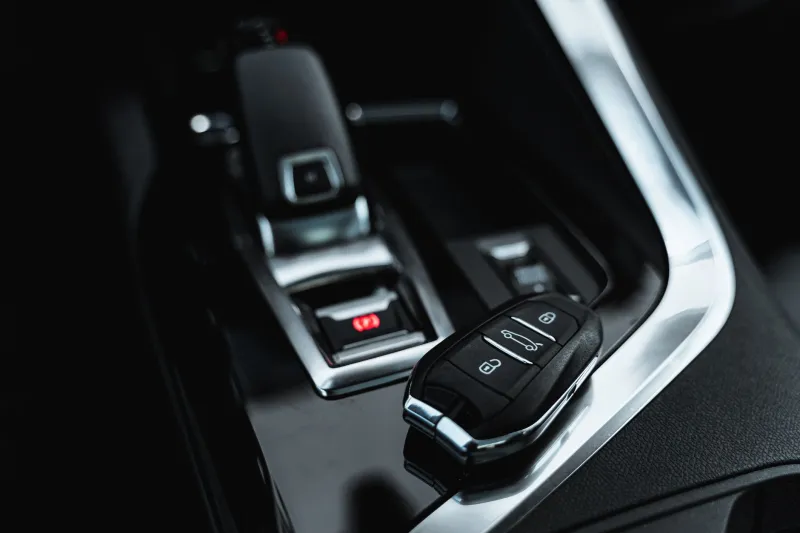
Cold, damp morning, key into the barrel, a twist — and nothing. Or worse: the key turns, the dash lights up, and the starter gives you a single half-hearted click. On an R50, R53 or R56 Mini, those two scenes lead to very different shopping lists. The trick is not to buy anything until you know whether the problem is the blade, the remote or the immobiliser reader.
First split the fault: blade or brain?
If the key physically will not rotate, stop before you order a fob. On an R50 or R53 with a conventional ignition barrel, a locked steering column can feel identical to a dead key. Push the wheel gently left and right while turning the key. If it suddenly frees, you have found your answer.
If it still refuses, try the spare. A worn key blade — common on older Minis with a heavy keyring and a quarter-turn habit — can fail to lift the pins. A spare that works points to blade wear, not electrics. On an R56, the key sits in a dash slot, so ‘won’t turn’ is less of a thing; a key that won’t seat properly or feels loose is usually a damaged shell or a slot full of debris.
The remote is not the immobiliser
This is the bit that catches people out. The button battery in the fob powers the central locking and the remote functions. The immobiliser chip inside the key is passive: it does not need the fob battery to start the car. So a key that will not blip the locks can still start the engine, and a key with a brand-new CR2032 can still fail to satisfy the immobiliser if the chip or reader is at fault.
That does not make the battery irrelevant. A tired CR2032 causes poor range, lazy locking and the occasional ‘key not recognised’ message. Replace it with a decent branded cell, check the terminals for corrosion and make sure the shell clips back together properly. Some Minis need a simple resync after a battery change — usually a sequence of pressing buttons with the key in the ignition — so check your handbook before assuming the fob is dead.
What the dashboard is telling you
Before reaching for parts, watch the warning lights. A key or padlock symbol that stays on, or flashes while the engine cranks, points towards the immobiliser. No crank at all, with a strong battery and a click from the starter, can be a clutch switch on a manual or a starter circuit issue rather than a key problem.
Check the basics first: battery voltage at rest, clean terminals, a good earth strap and a clutch pedal that actually reaches its switch. A Mini that cranks healthily but will not fire is usually not a key fault. A Mini that does not crank at all needs the electrical circuit checked before the immobiliser is blamed.
The antenna ring: the usual suspect after the key
The immobiliser antenna ring — also called a reader coil — sits around the ignition barrel on the R50 and R53, and around the dash key slot on the R56. It picks up the chip’s signal and sends it to the immobiliser module. Heat, vibration and age can break the coil or its plug, which is why the fault often appears intermittently: fine in the morning, dead after a short stop.
The spare-key test is still the best first move. If the spare starts the car every time, the ring is probably fine and the original key is the problem. If neither key works, inspect the ring’s connector for corrosion or a loose plug. A replacement ring is not usually a huge bill, and many are plug-and-play, but check the part number against your VIN — Mini changed the setup between generations, and a cheap pattern ring can be more trouble than it saves.
Worn shells and the cheap-key trap
A cracked fob shell can let the chip move out of position, and a collapsed button can make the remote feel dead when the battery is fine. Replacement shells are cheap, but they are only worth buying if you can transfer the chip and blade cleanly. Buy a shell that matches your key type, not a universal one that needs trimming to fit.
Be wary of complete aftermarket keys sold for ‘easy coding’. A new key has to be cut to the car and the chip has to be programmed. Some locksmiths can do this at your home; a main dealer will charge more. The sensible rule: if you have one working key and a worn shell, fix the shell. If the chip is missing, the blade is worn past cutting or the key has been damaged internally, a new key is the honest answer.
A buying order that saves money
Start with the cheapest correct fix: a branded fob battery and a careful check of the shell. Then test with the spare key. If the spare works, price a blade cut or a replacement key rather than an antenna ring. If neither key works, test the ring and its wiring before buying an immobiliser module. Only buy a complete key when the old one cannot be repaired or when you need a second key for security.
The key that won’t turn is rarely a mystery once you split the physical from the electronic. Check the steering lock, try the spare, watch the immobiliser light and resist the urge to order a new fob on the first cold morning. Most Minis give you enough clues to avoid an unnecessary parts bill — you just have to read them in the right order.