The Boot Floor Doesn't Lie: Sizing a Mini Puncture Kit to the Car You Actually Own

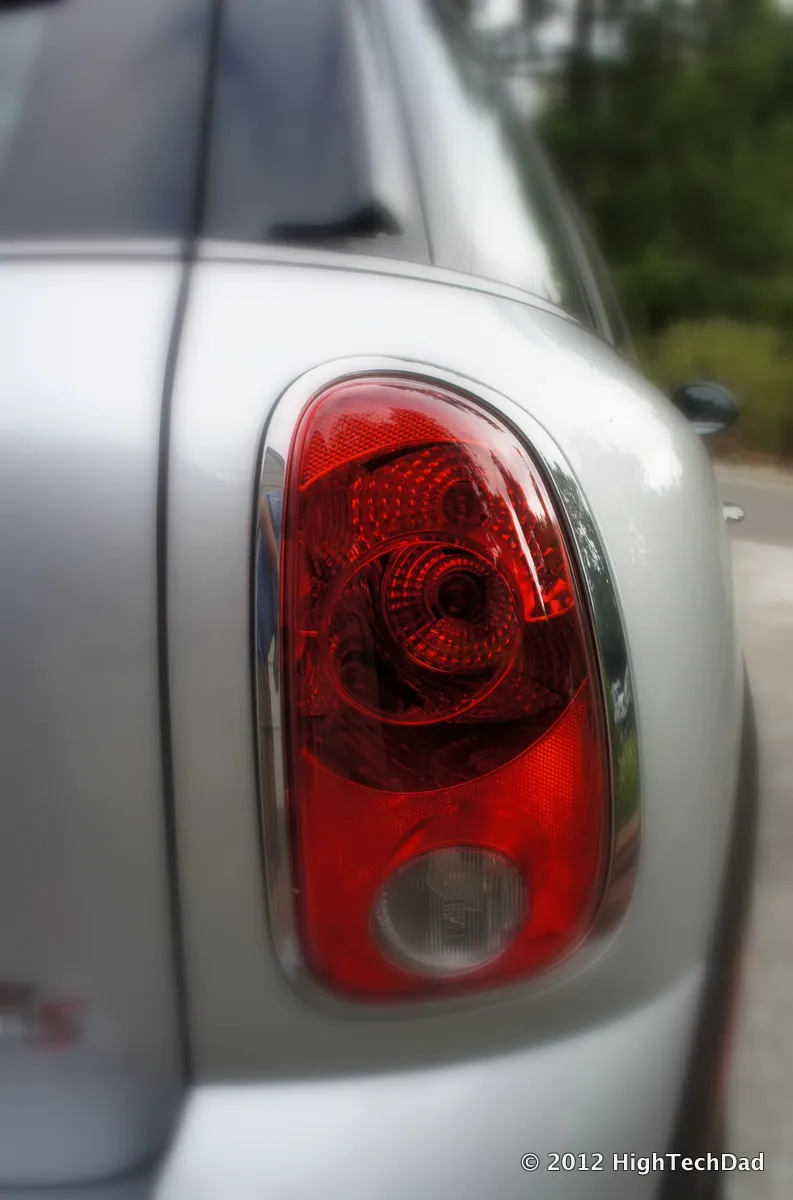
Photo: Dinkun Chen, CC BY-SA 4.0, via Wikimedia Commons
There is a particular kind of optimism that comes with buying a puncture kit online. The listing photo shows a neat little spacesaver, a shiny scissor jack and a telescopic brace, all arranged like a picnic. Then it arrives, you drop it into the boot well, and the carpet sits two inches proud of the floor. Or the wheel bolts up fine until you realise the rim is fouling the front caliper. Or the jack is so tall it won't slide under a car with a flat tyre.
With Minis, the boot floor is the first honest critic. It doesn't care how good the deal was. So before you buy anything, work backwards from the well in your own car.
Start with the well, not the website
R50 and R53 Minis have a useful but shallow spare-wheel well under the boot carpet, usually with a foam insert that holds the factory jack and brace. The R56 changed the shape of the boot and the tool layout, so a kit that fits one generation neatly may sit proud in another. A full-size alloy spare is almost always a non-starter if you want a flat load floor — the well is shaped for a narrow temporary wheel, not a 17-inch rim with a 205-section tyre.
Take five minutes with a tape measure and a torch. Measure the diameter and depth of the well, note where the foam sits, and check whether your car has the battery under the bonnet or in the boot. Then look at the wheel you're considering: the important numbers are the bolt pattern (4x100 on these Minis), the centre bore (56.1mm) and the offset. Those confirm it will physically bolt on. They don't confirm it will clear the brakes.
That last point matters most on JCW models and any Mini running a big-brake upgrade. A 15-inch spacesaver that sails onto an R50 may not clear the larger calipers on a warmly specified R53 or R56. If you're unsure, test-fit the wheel on a front hub before you rely on it. Ten minutes in daylight beats discovering the problem on a hard shoulder.
The spacesaver is a wearing part, not a permanent fixture
A temporary wheel lives a hard life in the boot: heat, cold, and long periods at high pressure. Check the date code on the sidewall. Rubber ages even when it isn't being used, and a spacesaver from a breaker's yard may be older than it looks. If the tyre is cracking, perished or has an unknown history, budget for a replacement rather than treating it as a bargain.
Pressure is the other silent failure. Spacesavers typically run at a much higher pressure than road tyres — often around 60psi — and they lose pressure slowly over months. Check it at every service and before long trips. Keep a proper gauge in the car, not just the one on the forecourt air line. Remember the speed restriction too: these wheels are for getting you home or to a garage, not for finishing the holiday drive at motorway speed.
Jack and brace: the bits that actually bite
The factory scissor jack is designed around the Mini's jacking points and the shape of the sill. A generic jack may have a saddle that's too wide, too narrow or too tall. Too tall and it won't fit under a deflated tyre; too narrow and it can slip. The jacking points on these cars are reinforced areas, not random sections of sill, and using the wrong spot is how you turn a puncture into a welding bill.
Wheel bolt heads are usually 17mm on these Minis, but aftermarket nuts can be 19mm, and a worn brace can round a bolt head faster than you'd believe. Buy a six-point socket that fits properly, and a breaker bar or extending wrench that gives you enough leverage without encouraging you to stand on it. A telescopic brace is fine if it's decent; a cheap one that flexes is not. Keep the correct torque figure in mind when refitting — around 120Nm on most of these cars — and check the bolts again after fifty miles or so.
If you carry a trolley jack at home, use it at home. The scissor jack is roadside equipment, not a workshop tool.
Sealant: convenient, not clever
Tyre sealant has its place, usually in the boot of a car with no spare at all. It can get you moving after a simple tread puncture, and it's better than being stranded in the rain. But it is not a repair. It won't fix a sidewall cut, a torn valve or a bent rim, and it can make a tyre fitter's life miserable. On cars with tyre pressure sensors, the goo can clog or damage the sensor, turning a cheap puncture into an expensive one.
If you do carry sealant, check the expiry date, read the instructions before you need them, and tell the tyre fitter you've used it. Don't see it as a substitute for a spacesaver. See it as a second chance.
The rest of the kit for British weather and British roads
A puncture kit is more than a wheel and a jack. In a wet lay-by on a dark November evening, the difference between a twenty-minute job and a miserable hour is often the stuff you nearly didn't pack.
- A hi-vis vest and a decent torch — preferably a head torch so both hands are free.
- Gloves that actually keep water out, plus an old towel or small tarp to kneel on.
- A warning triangle if you're travelling abroad, and useful here too.
- Two wheel chocks, or at least something solid to stop the car rolling.
- A tyre pressure gauge and a small 12V compressor if you have room.
- Cable ties, a couple of rags and a phone power bank.
Potholed UK roads add their own risk. A hard hit can pinch a sidewall or buckle a rim, and a bulge in the sidewall is not a "drive gently" situation — it's a replacement. If the damage is more than a simple puncture, don't force it. Call for recovery.
Do a dry run before you need it
Build the kit, then fit it into the car properly. Drop the spacesaver into the well, refit the foam and carpet, and check that the boot floor sits flush and the parcel shelf still closes. Put the jack under the correct jacking point at home and wind it up a little, just to confirm it engages cleanly. Check that the brace fits every bolt. Then note the spacesaver pressure on a sticker or in your phone and check it again at the next service.
A puncture kit that fits is worth far more than one that merely looks comprehensive in a listing photo. The boot floor will tell you the truth every time.