The Bulkhead Tell-Tale: Why a Soggy Mini Clutch Pedal Isn't Always the Clutch

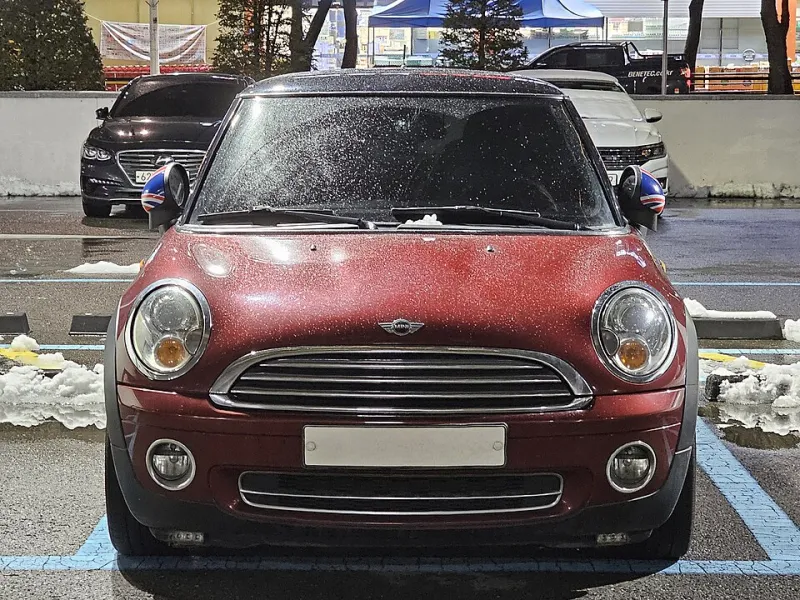
Photo: Bull-Doser, Public domain, via Wikimedia Commons
You get in, press the clutch, and something feels off. The pedal creaks, the bite point wanders, and selecting first or reverse becomes a lottery. Naturally, your mind goes to the clutch. On an R50 or R53 Mini, though, there is another suspect worth checking before anyone starts talking about gearbox-out labour: the pedal box and the bulkhead it bolts to.
This is not a rare internet myth. The clutch pedal mounting area on these cars takes a surprising amount of load, and years of pressing a heavy pedal can fatigue the metal around the bracket. When that happens, the bulkhead flexes instead of transferring your leg effort cleanly to the clutch master cylinder. The result feels like a clutch problem, but the fix is structural, not frictional.
First, Rule Out the Obvious
Before crawling under the dashboard, deal with the simple stuff. Check the clutch fluid level. Look for leaks around the clutch master cylinder and the slave cylinder. A failing slave cylinder can give a soft or sinking pedal, and air in the hydraulics will do the same. If the fluid is fine, the pedal still feels inconsistent, and there is no obvious leak, then it is time to look at the mounting.
It also helps to know the car's history. A clutch that was replaced recently but still feels vague is a clue. So is a pedal that behaves differently when the car is hot or after a long drive. Neither guarantees a cracked bulkhead, but they move it up the list.
What the Pedal Box Actually Does
The pedal box is the bracket assembly that holds the clutch pedal and connects it to the master cylinder pushrod. Every time you press the pedal, the force goes through that bracket and into the bulkhead. On R50 and R53 Minis, the mounting points and the surrounding panel can develop hairline cracks, cracked spot welds, or fatigue around the bolt holes.
When the metal moves, you lose pedal travel. The pedal may feel soft, creaky, or inconsistent because part of your effort is bending the bulkhead rather than moving the pushrod. Gear selection can suffer because the clutch is not disengaging fully. Owners sometimes describe it as the clutch 'not clearing' — and that is exactly what it feels like.
The Two-Person Inspection
This is a job for a torch and a helper. With the engine off, have someone press the clutch pedal slowly while you watch the pedal box area under the dashboard. Look for movement between the bracket and the bulkhead. A small amount of flex is normal; visible separation, creaking, or paint cracking is not.
Then open the bonnet and inspect the bulkhead area around the clutch master cylinder. Look for cracked paint, rust staining, or hairline cracks in the seam. Do not attack it with a screwdriver — you are looking, not excavating. Take clear photos, especially if you are planning to ask a garage for a quote. A phone torch and a slow, methodical look will tell you more than a rushed prod.
Why It Mimics Clutch Trouble
A worn clutch typically gives you a high bite point, slipping under load, or judder. A cracked pedal box mounting gives you inconsistency. The pedal may feel different from one junction to the next. It may creak. It may travel further before anything happens. Those symptoms overlap just enough to fool a diagnosis made from the driver's seat alone.
That is why a proper inspection matters. Replacing a clutch that is still serviceable is an expensive way to solve the wrong problem. On the other hand, ignoring a cracked bulkhead is not sensible either. The mounting can deteriorate further, and in the worst cases the pedal feel becomes bad enough that the car is not safe to drive.
Repair Routes and Realistic Advice
There are three broad approaches, depending on what the inspection finds.
If the pedal box bracket itself is cracked or badly worn, a replacement pedal box assembly is the cleanest route. Check the part number against your car's build details before ordering. R50 and R53 models changed over the years, and the eleven-digit part number is still the best handshake you have when confirming fitment.
If the bulkhead has cracked around the mounting points, reinforcement is the usual fix. That means welding, not just bolting a plate over the top and hoping. A proper repair involves cleaning back to sound metal, welding the cracks, fitting a reinforcement plate where appropriate, and then sealing and painting the area to keep moisture out. This is a garage job for most owners. It needs a competent welder who understands the area, and it needs the battery and sensitive electronics disconnected before any welding starts.
If the damage is caught early, a reinforcement plate can be fitted as a preventative measure. But a plate is not a magic patch for advanced rot. If the surrounding metal is thin or rusty, welding new metal is the only honest solution.
Parts and Fitment Notes
A sensible parts list includes the pedal box assembly if needed, new pedal bushes, the correct master cylinder retaining clips, a reinforcement plate, seam sealer, and cavity wax for the repaired area. Do not overlook the bushings — a worn pedal bush can add slop to the feel and make a good repair feel unfinished.
Fitment is generation-specific. Do not assume an R56 pedal box or bulkhead repair panel will suit an R50 or R53. Use your VIN and part number checks, and ask before you buy if the listing is vague.
When to Book the Garage
If you can see cracks, if the pedal box moves visibly, or if the clutch pedal sinks or fails to return properly, stop driving and get it inspected. A creak alone is not a reason to panic, but it is a reason to look. For welding and reinforcement, get a quote from a garage that knows older Minis. Ask what they will do about paint and sealing afterwards, because a repair that traps moisture will come back to bite you.
A clutch pedal that feels wrong is trying to tell you something. On an R50 or R53, make sure you are listening to the whole story — including the metal it is bolted to. Fitted right the first time starts with diagnosing the right part.